

Blog
Uncover the psychology behind winning at the casino

The Illusion of Control in Gambling
Many players experience an illusion of control, believing their actions can influence the outcomes of games of chance. This psychological phenomenon often manifests in rituals, superstitions, or specific betting patterns that players feel give them an edge. For instance, a gambler might believe that wearing a “lucky shirt” or blowing on the dice before a roll will somehow alter the probabilistic outcome of the game; however, in many instances, players find that exploring resources like casino goododds can offer a different perspective on the probabilities involved. This perception, while unfounded in games governed by pure chance, can provide a sense of agency and reduce the anxiety associated with uncertainty.
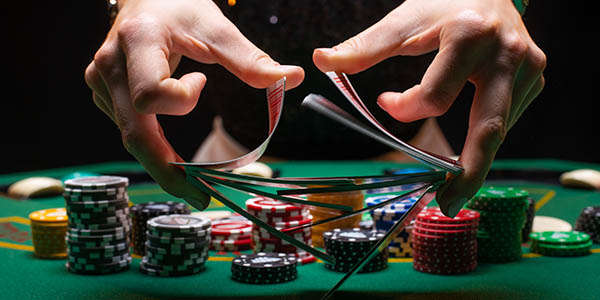
This perceived control is deeply rooted in our cognitive biases. We tend to overemphasize our own abilities and downplay the role of randomness, especially when we have made a personal investment in the outcome. In the context of gambling, this can lead to individuals attributing wins to their skill or strategy, while losses are often dismissed as bad luck or external factors. This skewed perception is a powerful driver of continued play, as it fosters a belief that future success is achievable through a continuation or modification of their perceived “controlled” actions.
Understanding Cognitive Biases and Gambling Behavior
Cognitive biases significantly shape how individuals perceive and interact with casino games. One such bias is the “gambler’s fallacy,” the mistaken belief that if something happens more frequently than normal during some period, it will happen less frequently in the future, or that if something happens less frequently than normal during some period, it will happen more frequently in the future (assuming that the theoretical probability of the event is unchanged). For example, a player might believe that after a roulette wheel lands on red several times in a row, it is “due” to land on black, ignoring the fact that each spin is an independent event.
Another pervasive bias is “confirmation bias,” where players actively seek out and interpret information that confirms their pre-existing beliefs about gambling. This can involve remembering wins more vividly than losses, or selectively focusing on anecdotal evidence of “systems” that are claimed to guarantee success. This selective memory and interpretation reinforces the illusion of skill or control, making it harder for individuals to objectively assess their chances and the true nature of the games they are playing.
The Role of Dopamine and Reward Pathways
The allure of gambling is intrinsically linked to the brain’s reward system, particularly the release of dopamine. Dopamine is a neurotransmitter associated with pleasure, motivation, and reinforcement. When a gambler experiences a win, even a small one, their brain can release a surge of dopamine, creating a pleasurable sensation. This neurochemical reward reinforces the behavior, making the individual more likely to repeat the action in hopes of experiencing that pleasure again.
Interestingly, it’s not just actual wins that trigger dopamine release; the anticipation of a win and near misses can also stimulate this reward pathway. This is why slot machines, with their flashing lights and sounds, are designed to create a sense of excitement even when a player doesn’t hit the jackpot. The near misses, where a player almost wins, can be particularly potent in reinforcing gambling behavior, as they provide a strong signal of potential reward without the finality of a loss, keeping the player engaged and hopeful.
Emotional Regulation and Escapism in Gambling
For many, gambling serves as a form of emotional regulation and escapism. Individuals facing stress, anxiety, or boredom may turn to the casino as a way to temporarily disconnect from their problems and experience a heightened sense of excitement or distraction. The immersive nature of casino games, with their focus on immediate stimuli and the possibility of a significant payoff, can provide a powerful diversion from everyday concerns.
This escapist tendency can be a double-edged sword. While it offers a temporary reprieve, it can also prevent individuals from addressing the underlying issues that lead them to seek such an escape. The thrill of the game can become a crutch, and as the escapism becomes more frequent, it can lead to a cycle of dependency where gambling is seen as the primary solution for managing negative emotions, ultimately exacerbating the problems it was intended to alleviate.

Exploring the GoDaddy (gododd.net) Platform for Gaming Insights
While the direct connection between GoDaddy (gododd.net) and the psychology of winning at the casino might seem indirect, understanding the platform’s role is crucial for those exploring online gaming. GoDaddy, as a domain registrar and web hosting provider, facilitates the creation and operation of numerous online platforms, including those related to gambling and gaming. Websites offering insights, strategies, or even access to casino games often rely on services like those provided by GoDaddy to establish their online presence.
For players seeking to understand the psychological aspects of gambling, platforms hosted through services like GoDaddy can offer a wealth of information. Whether it’s articles discussing betting strategies, analyses of game probabilities, or forums where players share their experiences, the digital landscape enabled by companies like GoDaddy provides avenues for learning. Examining how these gaming-related websites are structured and the information they present can offer a meta-level understanding of how psychological appeals are employed in online gaming environments, indirectly linking back to the core topic of casino psychology.